
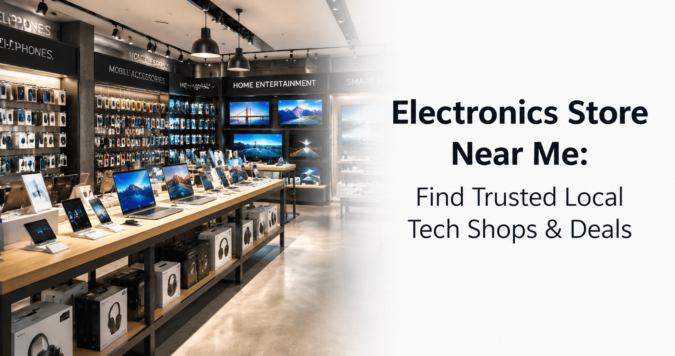

Finding the right place to buy technology products can be challenging. Whether you need a new laptop, smartphone, television, home appliance, gaming accessory, or everyday electronic item, choosing a reliable retailer matters. A good electronics store should offer quality products, knowledgeable assistance, transparent pricing, and dependable after-sales support.
Many shoppers search for an electronics store near me because they want more than just a quick purchase. They want to see products in person, compare options, ask questions, and receive help if something goes wrong later. Local electronics retailers continue to play an important role because they combine physical shopping convenience with professional guidance.
This guide explains how to evaluate local electronics stores, what features make a retailer trustworthy, common buying mistakes to avoid, and how to choose a store that provides long-term value instead of only focusing on the lowest price.
A great technology purchase is not only about the device itself. It is also about the confidence behind the decision.
How We Evaluate an Electronics Store
Choosing an electronics retailer requires looking beyond product availability. A store may have attractive prices, but customers also need reliability, service quality, and genuine products.
When evaluating an electronics store near me, important factors include:
- Product authenticity and brand availability
- Customer service quality
- Warranty and return policies
- Pricing transparency
- Technical knowledge of staff
- Range of products available
- Installation and repair support
- Online and offline shopping convenience
A strong electronics retailer understands that technology purchases often require guidance. Customers may not always know which specifications matter or which product matches their needs. Helpful staff can make the buying process easier by explaining features in simple terms.
Key Factors for Comparing Local Electronics Stores
| Evaluation Factor | Why It Matters | What Customers Should Check |
|---|---|---|
| Product Quality | Ensures customers receive reliable devices | Genuine brands, original packaging, proper specifications |
| Pricing Transparency | Prevents unexpected costs | Clear prices, taxes, installation fees, accessories |
| Warranty Support | Protects the purchase after buying | Manufacturer warranty and store policies |
| Product Selection | Provides more choices | Smartphones, computers, appliances, accessories |
| Customer Service | Improves shopping experience | Helpful staff and technical guidance |
| Repair Services | Adds long-term value | Maintenance options and support availability |
| Shopping Convenience | Saves time and effort | Location, online ordering, pickup options |
Product Selection and Available Technology Options
One of the most important qualities of a good electronics retailer is a balanced product selection. Customers have different needs, and a reliable store should provide options across multiple categories.
Common electronics categories include:
Computers and Laptops
Computers remain one of the most important technology purchases for students, professionals, and businesses. A quality electronics store should offer different models based on performance needs, including:
- Everyday laptops for browsing and office tasks
- High-performance computers for creative work
- Gaming laptops and accessories
- Desktop systems for professional use
When buying a computer, customers should consider factors such as processor performance, memory, storage capacity, display quality, and intended use rather than choosing only based on appearance.
Smartphones and Mobile Accessories
Smartphones are frequently updated, making expert advice valuable. A good retailer should help customers compare:
- Operating systems
- Camera features
- Battery performance
- Storage options
- Connectivity features
- Compatible accessories
Accessories such as chargers, protective cases, headphones, and smart devices can also improve the overall experience when they match the user’s requirements.
Home Electronics and Appliances
Many local electronics stores also provide household technology products, including:
- Televisions
- Audio systems
- Smart home devices
- Kitchen appliances
- Air conditioning products
Licensing, Authenticity, and Product Security
Although electronics stores do not operate under gambling-style licensing systems, trust and verification remain important. Customers need confidence that products are authentic, safe, and properly supported.
A trustworthy electronics retailer should provide:
- Genuine branded products
- Clear invoices and purchase records
- Manufacturer-approved warranty coverage
- Transparent product information
- Secure payment options
Counterfeit electronics can create serious problems, including poor performance, safety risks, and difficulty receiving warranty support. Buying from established retailers or verified sellers reduces these risks.
Customers should also check whether product serial numbers, warranty information, and documentation are provided correctly.
Payment Methods and Purchase Convenience
Modern shoppers expect flexible and secure payment options. A professional electronics store should make purchasing simple while protecting customer information.
Common payment methods may include:
- Credit and debit cards
- Digital payment services
- Bank transfers
- Financing options where available
- Cash payments at physical locations
Before completing a purchase, customers should understand:
- Total cost
- Delivery charges
- Installation fees
- Financing terms if applicable
- Return conditions
Clear payment procedures help prevent confusion and create a better shopping experience.
Mobile and Online Shopping Experience
Many customers begin their search online before visiting a physical store. A strong electronics retailer should provide a smooth digital experience alongside traditional shopping.
A useful online presence should include:
- Accurate product descriptions
- Updated prices
- Clear images
- Availability information
- Customer service contact options
- Easy ordering or store pickup
Mobile-friendly shopping is especially important because many consumers research products through smartphones before making a final decision.
However, online information should support the buying process rather than replace expert assistance. For complex electronics purchases, personal guidance can still be valuable.
Customer Support and After-Sales Service
Customer support is one of the biggest differences between an average electronics shop and an excellent one.
Technology products sometimes require troubleshooting, setup assistance, repairs, or warranty guidance. A reliable store should make it easy for customers to receive help after purchase.
Strong customer support includes:
- Friendly communication
- Product setup assistance
- Repair guidance
- Warranty assistance
- Clear problem-solving processes
A store that disappears after completing a sale may offer short-term savings but can create long-term frustration.
The real value of an electronics retailer often appears after the purchase, not during it.
Responsible Technology Buying Practices
Responsible shopping means choosing technology based on actual needs rather than unnecessary upgrades or pressure.
Before buying, customers should consider:
- How the device will be used
- Whether existing equipment can be upgraded
- Long-term maintenance costs
- Energy consumption
- Compatibility with current devices
A knowledgeable electronics store should help customers make practical decisions instead of encouraging purchases that do not provide real value.
Responsible buying also includes protecting personal information when purchasing devices. Customers should understand privacy settings, security features, and safe device setup practices.
Common Mistakes Customers Make When Choosing an Electronics Store
Many technology purchases become disappointing because customers focus on the wrong factors.
Choosing Only the Lowest Price
The cheapest option is not always the best choice. Extremely low prices may come with limited support, unclear warranty coverage, or lower-quality products.
A better approach is comparing overall value, including product quality and customer service.
Ignoring Warranty Details
Some customers assume all warranties work the same way. In reality, warranty terms can vary depending on the manufacturer and retailer.
Always check:
- Warranty duration
- Coverage limitations
- Repair process
- Replacement policies
Buying Without Understanding Specifications
Technical specifications can be confusing. Choosing a device without understanding important features may lead to purchasing a product that is too weak or unnecessarily expensive.
Customers should ask questions and explain how they plan to use the product.
Forgetting Future Needs
Technology changes quickly. A device that meets today’s needs may become limited sooner than expected.
Considering future requirements can help customers make smarter purchases.
Warning Signs of Poor Electronics Stores
Not every retailer provides the same level of service. Customers should be cautious when they notice warning signs such as:
Unclear Product Information
A reliable store should provide accurate details about brands, specifications, and warranty coverage.
Missing Documentation
Invoices, warranty details, and product records are important. Missing paperwork can create problems later.
Excessive Pressure to Buy
Professional retailers help customers make decisions. They should not pressure shoppers into unnecessary upgrades.
Poor Communication
Difficulty reaching customer support before purchase can indicate potential problems after purchase.
Unclear Return Policies
Customers should understand return and exchange conditions before completing a transaction.
How to Find the Best Electronics Store Near Me
Finding a suitable local retailer requires a simple evaluation process.
Check Customer Reviews Carefully
Reviews can provide useful information about:
- Product quality
- Staff behavior
- Delivery experience
- Support quality
However, customers should look for overall patterns rather than relying on one positive or negative comment.
Compare Products and Services
Do not compare only prices. Consider:
- Available brands
- Warranty support
- Installation services
- Customer assistance
- Return policies
Visit the Store When Possible
Physical visits allow customers to:
- Test products
- Compare options
- Ask questions
- Evaluate service quality
This is especially useful for expensive purchases such as televisions, computers, and appliances.
Ask Specific Questions
Good questions include:
- What warranty is included?
- Is installation available?
- Are replacement parts available?
- Which model best matches my needs?
The quality of answers can reveal how knowledgeable and helpful the store is.
Local Electronics Stores vs Online Retailers
Both local stores and online platforms have advantages.
Local electronics retailers offer:
- Immediate product inspection
- Personal assistance
- Faster problem resolution
- Local service support
Online retailers often provide:
- Larger selections
- Easy price comparison
- Convenient home delivery
The best choice depends on the product and the customer’s preferences. For complex purchases, local expertise can be extremely valuable.
Why Local Electronics Stores Still Matter
Despite the growth of online shopping, physical electronics stores continue to serve an important purpose.
Technology is not always simple. Customers often need explanations, demonstrations, and practical advice before purchasing.
A local electronics store provides a human connection that online shopping cannot always replace. Staff members can explain differences between products, recommend suitable options, and provide assistance throughout the ownership experience.
For many customers, convenience means more than getting a product quickly. It means knowing help is available when needed.
Conclusion
Choosing the right electronics retailer requires more than searching for the closest location or the lowest price. A dependable electronics store near me should provide authentic products, fair pricing, knowledgeable assistance, secure purchasing options, and reliable after-sales support.
Before making a decision, customers should evaluate product selection, warranty policies, customer service quality, and overall reputation. Taking a little time to research can prevent expensive mistakes and create a better technology buying experience.
The best electronics purchases are built on informed decisions. A trusted retailer does not only sell devices; it helps customers choose technology that fits their needs and provides support long after the sale.
FAQS
What should I look for in an electronics store near me?
Look for product authenticity, competitive pricing, warranty support, knowledgeable staff, good customer reviews, and reliable after-sales service.
Is it better to buy electronics from a local store or online?
Both options have benefits. Local stores provide personal assistance and product testing, while online retailers often offer wider selections and convenient shopping.
How can I know if an electronics store sells genuine products?
Check whether the store provides original packaging, proper invoices, manufacturer warranty information, and clear product details.
Should I compare prices before buying electronics?
Yes. Comparing prices helps identify fair deals, but customers should also consider warranty, support, and product quality.
Why is customer support important when buying electronics?
Technology products may require setup, repairs, or troubleshooting. Reliable customer support helps customers solve problems and protect their investment.