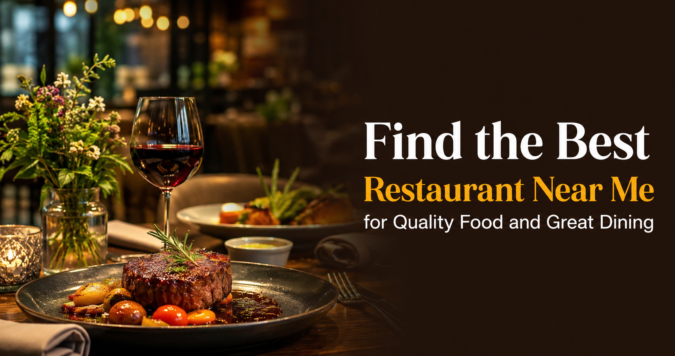

Finding the right place to eat is no longer only about choosing the closest location. People searching for a restaurant near me usually want a combination of convenience, quality, atmosphere, value, and reliability. Whether someone is looking for a quick lunch, a family dinner, a romantic evening, or a place to celebrate a special occasion, the right restaurant can completely change the dining experience.
With thousands of restaurants available in most cities, choosing the best option can sometimes feel overwhelming. Reviews, menus, pricing, opening hours, location, and customer service all influence the final decision.
This guide explains how to evaluate restaurants effectively, what factors matter most before making a choice, common mistakes to avoid, and how to identify restaurants that provide a consistently good experience.
A great meal starts before the first bite — it begins with making an informed choice.
How to Choose the Best Restaurant Near Me
When people search for a restaurant near me, they are usually trying to solve a simple problem: finding a reliable place that matches their current needs. The best choice depends on several factors rather than distance alone.
A nearby restaurant may be convenient, but it should also meet expectations regarding food quality, hygiene, service, pricing, and overall experience.
Important factors to consider include:
- Type of cuisine available
- Customer reviews and ratings
- Menu variety
- Price range
- Restaurant atmosphere
- Location and accessibility
- Service quality
- Availability of online ordering or reservations
- Dietary options
A thoughtful evaluation helps avoid disappointing dining experiences and makes it easier to discover restaurants that match personal preferences.
How We Evaluate Online Restaurants
Evaluating restaurants requires looking beyond simple popularity. A professional assessment considers multiple elements that influence customer satisfaction.
The evaluation process focuses on:
Food Quality
Food remains the most important factor when judging any restaurant. Quality includes:
- Fresh ingredients
- Proper preparation methods
- Consistent taste
- Presentation
- Menu authenticity
A restaurant with excellent food quality is more likely to create repeat customers and positive recommendations.
Menu Variety
A strong menu should provide enough options without becoming confusing. Good restaurants usually balance variety with quality by offering carefully selected dishes rather than an unnecessarily large menu.
Important considerations include:
- Different meal options
- Vegetarian choices
- Dietary accommodations
- Signature dishes
- Seasonal offerings
Customer Experience
A restaurant visit involves more than food. Service, atmosphere, cleanliness, and staff behavior all contribute to the overall experience.
Value for Money
The most expensive restaurant is not always the best choice. Customers usually look for a balance between:
- Food quality
- Portion size
- Service
- Pricing
- Overall satisfaction
Restaurant Evaluation Table
| Evaluation Factor | Why It Matters | What Customers Should Check |
|---|---|---|
| Food Quality | Determines the main dining experience | Fresh ingredients, taste, preparation standards |
| Menu Options | Helps different customers find suitable meals | Variety, specialties, dietary choices |
| Location | Improves convenience | Distance, parking, accessibility |
| Reviews | Provides customer experiences | Recent feedback and common patterns |
| Pricing | Helps match expectations | Menu prices and overall value |
| Service Quality | Influences customer satisfaction | Staff behavior, speed, professionalism |
| Atmosphere | Creates the dining environment | Cleanliness, seating, comfort |
| Online Presence | Helps with planning | Updated menu, hours, contact details |
Location and Accessibility
Location is often the first consideration when searching for a restaurant. A convenient location can make dining easier, especially when customers have limited time.
However, the closest option is not always the best option.
Before selecting a restaurant, consider:
- Travel distance
- Parking availability
- Public transportation access
- Neighborhood safety
- Operating hours
- Accessibility features
A slightly farther restaurant may provide a much better experience if it offers better food, service, and comfort.
Food Quality and Menu Selection
A restaurant’s menu represents its identity. A carefully designed menu often reflects attention to detail and commitment to quality.
Customers should consider:
Freshness of Ingredients
Fresh ingredients generally contribute to better flavor and consistency. Restaurants that focus on ingredient quality often create stronger dining experiences.
Cuisine Expertise
Restaurants specializing in specific cuisines may provide a more authentic experience because their chefs focus on particular cooking styles and techniques.
Balanced Options
A quality restaurant menu should serve different preferences while maintaining strong standards across dishes.
A useful question to ask is:
“Does this restaurant offer food that matches what I actually want to eat today?”
Reviews and Customer Feedback
Online reviews have become an important tool for finding restaurants. They provide insights into real customer experiences, but they should be evaluated carefully.
A smart approach is to look for patterns rather than focusing on one review.
Useful review factors include:
- Recent customer experiences
- Comments about food quality
- Service consistency
- Cleanliness feedback
- Accuracy of complaints
- Management responses
A restaurant with hundreds of reviews showing similar positive experiences may provide more reliable information than one with only a few opinions.
Restaurant Atmosphere and Dining Experience
The environment of a restaurant influences how customers feel during their visit.
Different occasions require different settings:
- Casual meals may benefit from relaxed environments
- Business meetings may require quieter spaces
- Family dining may require comfortable seating
- Special occasions may require a more refined atmosphere
Important atmosphere elements include:
- Lighting
- Seating comfort
- Noise level
- Cleanliness
- Interior design
- Overall environment
A good restaurant creates an experience that matches the purpose of the visit.
Payment Methods and Convenience
Modern customers often expect restaurants to provide convenient payment and ordering options.
Common payment methods may include:
- Credit and debit cards
- Mobile payments
- Digital wallets
- Cash payments
- Online ordering systems
Convenient payment options improve customer satisfaction by making the final part of the dining experience simple and efficient.
Customers should also check whether the restaurant provides:
- Clear pricing
- Transparent charges
- Online reservation options
- Delivery availability
Mobile Experience
Many people discover restaurants through smartphones, making mobile accessibility an important part of the customer journey.
A strong online restaurant experience should include:
- Easy-to-view menus
- Accurate opening hours
- Location information
- Contact details
- Simple reservation process
- Mobile-friendly ordering options
Customer Support and Communication
Good communication helps customers receive better service before and after visiting a restaurant.
Customer support may include:
- Phone assistance
- Reservation help
- Response to online questions
- Handling special requests
- Addressing complaints professionally
Reliable communication shows that a restaurant values customer satisfaction.
A restaurant’s reputation depends not only on how it handles successful experiences but also on how it responds when problems occur.
Responsible Dining Practices
Modern customers increasingly value businesses that operate responsibly.
Restaurants can demonstrate responsibility through:
- Maintaining hygiene standards
- Providing accurate menu information
- Respecting dietary requirements
- Supporting sustainable practices
- Ensuring transparent pricing
Responsible business practices help build long-term trust between restaurants and customers.
Common Mistakes People Make When Choosing a Restaurant
Many disappointing dining experiences happen because customers overlook important details.
Common mistakes include:
Choosing Only Based on Distance
The nearest restaurant may not always provide the best food or experience.
Ignoring Recent Reviews
Older reviews may not represent the current quality of food or service.
Not Checking the Menu Before Visiting
Customers may discover that the restaurant does not offer suitable options after arriving.
Overlooking Price Expectations
Checking the menu beforehand helps avoid unexpected costs.
Ignoring Restaurant Specialties
Some restaurants perform best in specific dishes rather than offering every type of cuisine.
Making a few simple checks before visiting can greatly improve the dining experience.
Warning Signs of Poor Restaurants
Some signs may indicate that a restaurant does not provide a reliable experience.
Potential warning signs include:
- Many recent complaints about the same issue
- Poor cleanliness feedback
- Unclear pricing information
- Inconsistent customer experiences
- Outdated business information
- Lack of basic contact details
One negative review does not automatically mean a restaurant is poor. However, repeated concerns across multiple reviews deserve attention.
How Technology Has Changed Restaurant Discovery
Technology has completely changed how people find places to eat. Instead of relying only on recommendations from friends, customers can now compare restaurants instantly.
Modern restaurant discovery often involves:
- Digital maps
- Online reviews
- Restaurant websites
- Social media pages
- Food delivery platforms
- Digital menus
These tools allow customers to make faster and more informed decisions.
Restaurants also benefit because they can showcase their food, communicate with customers, and build stronger relationships online.
What Makes a Restaurant Stand Out?
A memorable restaurant usually combines several strengths:
- Consistent food quality
- Friendly service
- Comfortable atmosphere
- Fair pricing
- Clean environment
- Strong customer relationships
The best restaurants understand that customers are not only buying food. They are choosing an experience.
A great restaurant creates reasons for customers to return.
Conclusion
Finding the right restaurant near me requires more than selecting the closest option. A better choice comes from evaluating food quality, menu options, customer feedback, atmosphere, pricing, and service standards.
Reviews, online information, and digital tools make restaurant discovery easier, but customers should still consider their personal needs and expectations.
The most valuable dining experiences come from restaurants that combine quality food, reliable service, and a welcoming environment. By using a thoughtful evaluation approach, customers can discover places that match their preferences and create enjoyable memories.
A successful restaurant experience begins with choosing the right place.
FAQs
How do I find a good restaurant near me?
A good restaurant can be found by checking recent customer reviews, menu options, pricing, location, and overall reputation before making a decision.
Should I choose the closest restaurant?
Distance is important for convenience, but food quality, service, and customer experience should also be considered before choosing a restaurant.
How reliable are online restaurant reviews?
Online reviews can provide useful insights, especially when looking for common patterns across many recent customer experiences.
What should I check before visiting a restaurant?
Before visiting, check the menu, opening hours, location, pricing, reviews, and whether the restaurant offers options suitable for your needs.
What makes a restaurant worth visiting again?
Restaurants that provide consistent food quality, good service, comfortable surroundings, and fair value are more likely to earn repeat customers.
Read More
After Article Read To visit Least News
Barber Shop Near Me: Find Top-Rated Local Barbers for Expert Haircuts & Grooming
Massage Near Me: Find the Best Local Massage Services for Relaxation, Pain Relief & Wellness
Spa Near Me: Discover Top-Rated Local Spas for Relaxation, Beauty Treatments & Wellness
Yoga Studio Near Me: Find the Best Yoga Classes, Wellness Programs & Expert Instructors Near You
Fitness Center Near Me: Find the Best Gym, Trainers, Equipment & Fitness Programs Nearby
Gym Near Me: Find the Best Local Fitness Center for Workouts, Training & Health Goals
Basketball Court Near Me: Find Top-Rated Local Courts, Indoor Gyms & Pickup Games
Tennis Court Near Me: Find Top Local Courts, Prices, Booking Options & Playing Tips
Golf Course Near Me: Discover the Best Local Golf Courses, Clubs & Playing Experiences
Bowling Alley Near Me: Find the Best Local Bowling Centers for Fun, Events & Family Entertainment
Vegetarian Restaurant Near Me: Discover Fresh, Delicious & Top-Rated Plant-Based Dining Options
Food Truck Near Me: Find the Best Local Food Trucks, Menus, Locations & Hidden Food Gems
Chicken Restaurant Near Me: How to Find a Great Local Chicken Meal
Sandwich Shop Near Me”: Biography, Local Search Intent, and How Google Ranks Sandwich Shops in 2026
Tea Shop Near Me: How Local Tea Shops Can Attract Nearby Customers
Juice Bar Near Me: How to Find a Fresh, Reliable Local Option
Smoothie Shop Near Me: Your Complete Guide to Finding the Best Local Smoothie Bars in 2026
Donut Shop Near Me: Your Guide to America’s Best Doughnut Destinations in 2026
Taco Restaurant Near Me: How to Find a Great Local Taco Spot
BBQ Restaurants Near Me: How to Find a Great Local Smokehouse
Italian Restaurant Near Me: How to Find a Great Local Italian Meal
Burger Restaurant Near Me: How to Find a Great Local Burger Spot
Steakhouse Near Me: How to Find a Great Steakhouse for Your Next Meal
Sushi Restaurant Near Me: How to Choose a Great Local Sushi Spot
Chinese Restaurant Near Me: How to Find a Better Local Restaurant
Mexican Restaurant Near Me: A Better Guide to Finding Great Mexican Food
Ice Cream Near Me: How to Find a Great Local Scoop
Bakery Near Me: How to Find a Great Local Bakery in the USA
Brunch Near Me: How to Find a Great Local Brunch Without Guesswork
Breakfast Near Me: How to Find a Great Breakfast Spot Nearby
Fast Food Near Me: How to Find the Best Nearby Restaurant
Pizza Near Me: How to Find a Great Local Pizza Place in the USA
Gas Station Near Me: Find Reliable Fuel, Services & Best Stops Fast
Tire Shop Near Me: Find Trusted Local Tire Services & Expert Care
Swimming Pool Near Me: Find Clean, Safe & Best Local Pools
ATM Near Me: Find Safe, Convenient Cash Access Quickly
Pet Store Near Me: Find Trusted Local Pet Supplies & Services
Chase Bank Near Me: Find Branches, ATMs, Hours & Services
U.S. Bank Near Me: Find Nearby Branches, ATMs and Services
Laundromat Near Me: Find a Clean, Reliable Laundry Service
Crackstube: What It Is, What CracksTube.com Does, and Why the Name Causes Confusion
Dentist Near Me: Find a Trusted Local Dentist for Expert Dental Care & Healthy Smiles
Hair Salon Near Me: Find Expert Stylists for Haircuts, Color, Styling & Beauty Services
Coffee Shop Near Me: Find Quality Coffee, Comfort & Great Local Cafés
TheSindi com: What the Website Is, What It Covers, and How to Use It